As I've read the book of 1 John each day for these past couple of weeks, I've been impressed with the forthrightness and confidence with which the Apostle John speaks. He uses declarative sentence after declarative sentence to state matter-of-factly the truths of God. His writing evidences forth much assurance and confidence, that God's promises are true, that He is who He has said that He is, and that we can know Him and His ways with great aplomb.
What a great message for a day such as ours, when every nuance exists in the gray nebulae between black and white; when postmodernity and relativism are confused at even defining themselves, and all the more wary of putting labels on anything of significance; when we are so politically correct that little is discussed that is of much worth. This is a message desperately needed in our homes, and in our churches.
May we be as assured in our faith as the writer John, and may our lives demonstrate the confidence we have in knowing our Savior, as we seek Him persistently in the reading of His Word.
Showing posts with label God's Word. Show all posts
Showing posts with label God's Word. Show all posts
Thursday, September 4, 2008

Wednesday, January 23, 2008
Jude Study, Part 3
Jude 14-16
Quotes Book of Enoch
° Enoch (seventh from Adam) prophesied judgment on the ungodly in his
     generation.
° The false teachers are just the same
           o Grumbling
           o Complaining (pride rejecting authority or complaining about minor
              issues, not addressing essential doctrine as the point of this
              letter is to guard against such error)
           o Following their own passions
           o Proud
           o Flattering

Jude 17-19
These people were prophesied.
° They are worldly people, who don’t have the Spirit, and cause division
     based on error.
°  Acts 20:29 – wolves among the sheep
°  1 Timothy 4:1 – those departing from sound teaching will come.
°  2 Timothy 3:1-5 – Perilous times and perilous men to come.
°  2 Timothy 4:3-5 – People will not endure sound doctrine, teachers who teach only
      what pleases others, turning from the truth and telling stories.
°  2 Peter 3:3 – Scoffers will come walking after their own lusts.

Jude 20-23
What should Christians do?
°  Jude 20: Build up your faith.  Read and study your Bibles!
°  Jude 20: Pray in the Holy Spirit.  Pray according to God’s will trusting His
     Spirit to guide you into truth.
°  Jude 21: Keep yourself in the love of God.  Stay away from sin.  Sin upsets
     God and he will chasten you if he must to purify his children.
°  Jude 21: Wait for the mercy of Jesus.  Look forward to the return of Christ
    when the tares will be separated from the wheat, the wolves will be removed
    from the sheep, and truth will ultimately triumph.

What do we do with the false teaching?
°  Jude 22: “Convince some who doubt.”  Some people are just being confused by
     the teachers.  Simply answer the questions they have.
°  Jude 23:  “Save some, pulling from the fire.”  Be stern with some.  They are
     getting deep in the bad teaching and need to be told outright that they are
     wandering from the truth and headed for hell.
°  Jude 23:  “Have mercy with fear, hating the garment…”  There are some who are
     so entrenched in the false teaching that what you say probably won’t help
     them.  Have mercy on them (don’t go burning them at the stake), but have fear
     of them (stay away).  If you get too close you may be influenced too much by
     their smooth talking.

Jude 24,25
Conclusion
°  God is in control despite the deceiving wolves among the church.  He is able to
    keep you from falling into error and present you blameless at the judgment.
           o When you repent and trust in Christ, he guides you through temptation,
              sin, persecution and bad teaching.
           o At the judgment, despite the vast number of sins you committed that
              offend an infinite, holy God, Jesus presents you without blemish
             (Gr. Anomas, meaning apart from the law).  You have broken every law
              of God, but you are presented as if you have kept it perfectly.
°  Jude 25: All credit is God’s.  He has all power and authority, glory and
     majesty, now and forever.
Saturday, January 19, 2008
Jude Study, Part 2
The following are the notes that I compiled from my studies in the book of Jude that we are now discussing in our Tuesday night Bible study. It isn't put together in an easy read format and are simply posted here for you to take into your study and compare. Feel free to leave some comments for discussion of specific topics.
Jude 8-13
These are the sins of these false teachers.
Jude 8: defiling the flesh, rejecting authority, reviling the glorious ones.
 Examples:
 o Jude 9,10: reviling the glorious ones.
  -Assumption of Moses book
  -Michael the angel fought with Satan over Moses’ body.
  -Michael didn’t take Satan lightly but said, “The Lord rebuke you.”
 o Jude 11: Pattern of rebellion growing to rejecting authority
  -Cain showed his selfishness by killing his brother
  -In the story of Balaam, he showed his own greed and pride.  For riches he taught Israel to sin
 by introducing pagan women to seduce them and brought idols to worship.
  -Korah rebelled against Aaron and Moses' God given authority.  God separated them and
 the earth swallowed up Korah and his followers.
 o Jude 12,13: defiling the flesh
  -Love feasts (pot lucks) became more about themselves than about sharing with the body of Christ.
  -Imagery describing the uselessness of these people.
Friday, January 11, 2008
Jude Study, Part 1
The following are the notes that I compiled from my studies in the book of Jude that we are now discussing in our Tuesday night Bible study. It isn't put together in an easy read format and are simply posted here for you to take into your study and compare. Feel free to leave some comments for discussion of specific topics.
Introduction
The name Jude is rendered from “Judah” in Hebrew and “Judas” in Greek.
In the New Testament, there are a few people mentioned with the same name. Some may be the same person and some are obviously different.
° Luke 6:16, John 14:22, Acts 1:13, brother of James (some versions say son of) also called Thaddaeus the apostle.
° Matthew 26:14 the disciple who betrayed Jesus.
° Acts 5:37 a troublemaker from Galilee
° Matthew 13:55 brother of James, half-brother of Jesus
° Acts 9:11 a person who lived with Paul.
° Acts 15:22 ambassador of church in Jerusalem who traveled with Silas.
It is Jude, the half-brother of Jesus, brother of James (author of book of James) who wrote this book. These brothers did not actually become disciples of Jesus until after Christ’s resurrection.
Based on indications in the text and on quoted texts, it is thought to be written around 68 AD.
As the news of Christ spread throughout the world, Jude wanted to write to some believers to encourage them in the faith. The church was under heavy attack from Roman persecution and spiritual infiltration from false teachers. This book is meant to warn believers to keep an eye out for false teaching and to encourage them to stay strong in the faith.
Jude 1:1
Greeting
Brother of James:
° Not offended to be identified as brother of… That is usually a hit to our pride because we want to be known as our own person.
° Doesn’t identify himself as Jesus’ brother
Jude 1:3,4
Purpose for the letter
He wanted to write about the common faith they shared, but a more pressing need was at hand.
He felt he needed to defend the faith, once for all delivered to the saints.
° It is important to be discerning, understanding right and wrong, truth and error.
° Our faith was not manufactured, but delivered by the Holy Spirit.
° The faith was delivered once for all, we don’t need to look to more secret revelation, prophecy or dreams to know what God wants us to do with our lives. The Bible is all that is needed for life and godliness.
° Saints are believers, not some higher status of Christians. The Bible was delivered to all Christians, not all “super-Christians.”
Professed Christians are teaching false doctrine.
° People have made their way into the church who are ungodly, who pervert God’s grace, and deny who Jesus is.
° They snuck in. They weren’t obvious haters of God, otherwise they wouldn’t have made it into the church. They were subtle in their teaching, which had quite a bit of truth.
° John Murray: “The difference between truth and error is not a chasm but a razor’s edge.”
° Charles Spurgeon: “Discernment is not a matter of simply telling the difference between what is right and wrong; rather, it is the difference between right and almost right.”
° False Teaching
o Changing the grace of God into a license to sin. Since God is so forgiving, we can sin more so He can forgive more.
o They would also say that as long as your spirit is right, it doesn’t matter what you do with your body (similar to people today saying, “as long as you love someone, it doesn’t matter what you do.”).
Jude 5-7
Though they are allowed to continue in their sin now, they will be judged.
3 Examples
° Jude 5: Israel saved out of Egypt.
o Judged naturally by dying in the wilderness, not being allowed into Promised Land.
° Jude 6: Angels thrown from heaven.
o Judgment reserved for future great day of judgment.
° Jude 7: Sodom and Gomorrah
o Judged immediately by destruction of the city.
Introduction
The name Jude is rendered from “Judah” in Hebrew and “Judas” in Greek.
In the New Testament, there are a few people mentioned with the same name. Some may be the same person and some are obviously different.
° Luke 6:16, John 14:22, Acts 1:13, brother of James (some versions say son of) also called Thaddaeus the apostle.
° Matthew 26:14 the disciple who betrayed Jesus.
° Acts 5:37 a troublemaker from Galilee
° Matthew 13:55 brother of James, half-brother of Jesus
° Acts 9:11 a person who lived with Paul.
° Acts 15:22 ambassador of church in Jerusalem who traveled with Silas.
It is Jude, the half-brother of Jesus, brother of James (author of book of James) who wrote this book. These brothers did not actually become disciples of Jesus until after Christ’s resurrection.
Based on indications in the text and on quoted texts, it is thought to be written around 68 AD.
As the news of Christ spread throughout the world, Jude wanted to write to some believers to encourage them in the faith. The church was under heavy attack from Roman persecution and spiritual infiltration from false teachers. This book is meant to warn believers to keep an eye out for false teaching and to encourage them to stay strong in the faith.
Jude 1:1
Greeting
Brother of James:
° Not offended to be identified as brother of… That is usually a hit to our pride because we want to be known as our own person.
° Doesn’t identify himself as Jesus’ brother
Jude 1:3,4
Purpose for the letter
He wanted to write about the common faith they shared, but a more pressing need was at hand.
He felt he needed to defend the faith, once for all delivered to the saints.
° It is important to be discerning, understanding right and wrong, truth and error.
° Our faith was not manufactured, but delivered by the Holy Spirit.
° The faith was delivered once for all, we don’t need to look to more secret revelation, prophecy or dreams to know what God wants us to do with our lives. The Bible is all that is needed for life and godliness.
° Saints are believers, not some higher status of Christians. The Bible was delivered to all Christians, not all “super-Christians.”
Professed Christians are teaching false doctrine.
° People have made their way into the church who are ungodly, who pervert God’s grace, and deny who Jesus is.
° They snuck in. They weren’t obvious haters of God, otherwise they wouldn’t have made it into the church. They were subtle in their teaching, which had quite a bit of truth.
° John Murray: “The difference between truth and error is not a chasm but a razor’s edge.”
° Charles Spurgeon: “Discernment is not a matter of simply telling the difference between what is right and wrong; rather, it is the difference between right and almost right.”
° False Teaching
o Changing the grace of God into a license to sin. Since God is so forgiving, we can sin more so He can forgive more.
o They would also say that as long as your spirit is right, it doesn’t matter what you do with your body (similar to people today saying, “as long as you love someone, it doesn’t matter what you do.”).
Jude 5-7
Though they are allowed to continue in their sin now, they will be judged.
3 Examples
° Jude 5: Israel saved out of Egypt.
o Judged naturally by dying in the wilderness, not being allowed into Promised Land.
° Jude 6: Angels thrown from heaven.
o Judgment reserved for future great day of judgment.
° Jude 7: Sodom and Gomorrah
o Judged immediately by destruction of the city.
Wednesday, December 19, 2007
Wordworthy
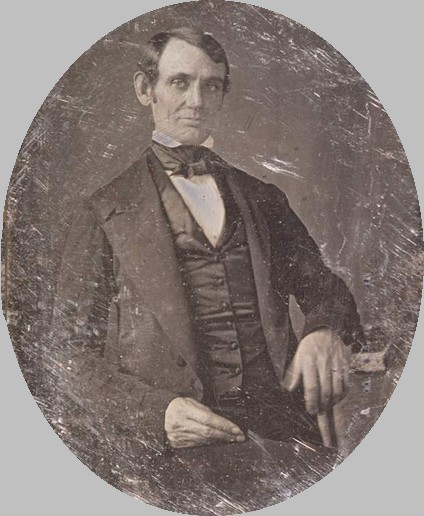
Not being able to sleep early this morning, I began to read a historical fiction account of none other than 'ol Abe Lincoln. Very good writing; made for an interesting read. In fact, I found myself rather swept away into an idyllic Illinois town, circa 1850. Though still nestled away in the sheets of my bed, I seemed far removed, my mind flitting easily away to the events of Abe's rise to the Presidency.
It occurred to me, then, that the written word may certainly be the most powerful medium we currently enjoy. It has been said, of course, the "the pen is mightier than the sword." There is merit to this observation.
It is no wonder, then, that the Johannine gospel account puts such a primacy on the Word (John 1). 2 Timothy 3:15 speaks to its worth as well. The Bible throughout attests to the value of Scripture (Deuteronomy 6). How dare we neglect its reading and application in our daily lives?!
Do you find yourselves bored with the words of Scripture? Do they seem rigid, stodgy, archaic? Consider the source before you discount them entirely, and consider the era in which you live, that largely discounts the value of the written word, anyway. Don't buy into that; there is immeasurable worth in reading, and all the more so when reading the very words of God Himself.
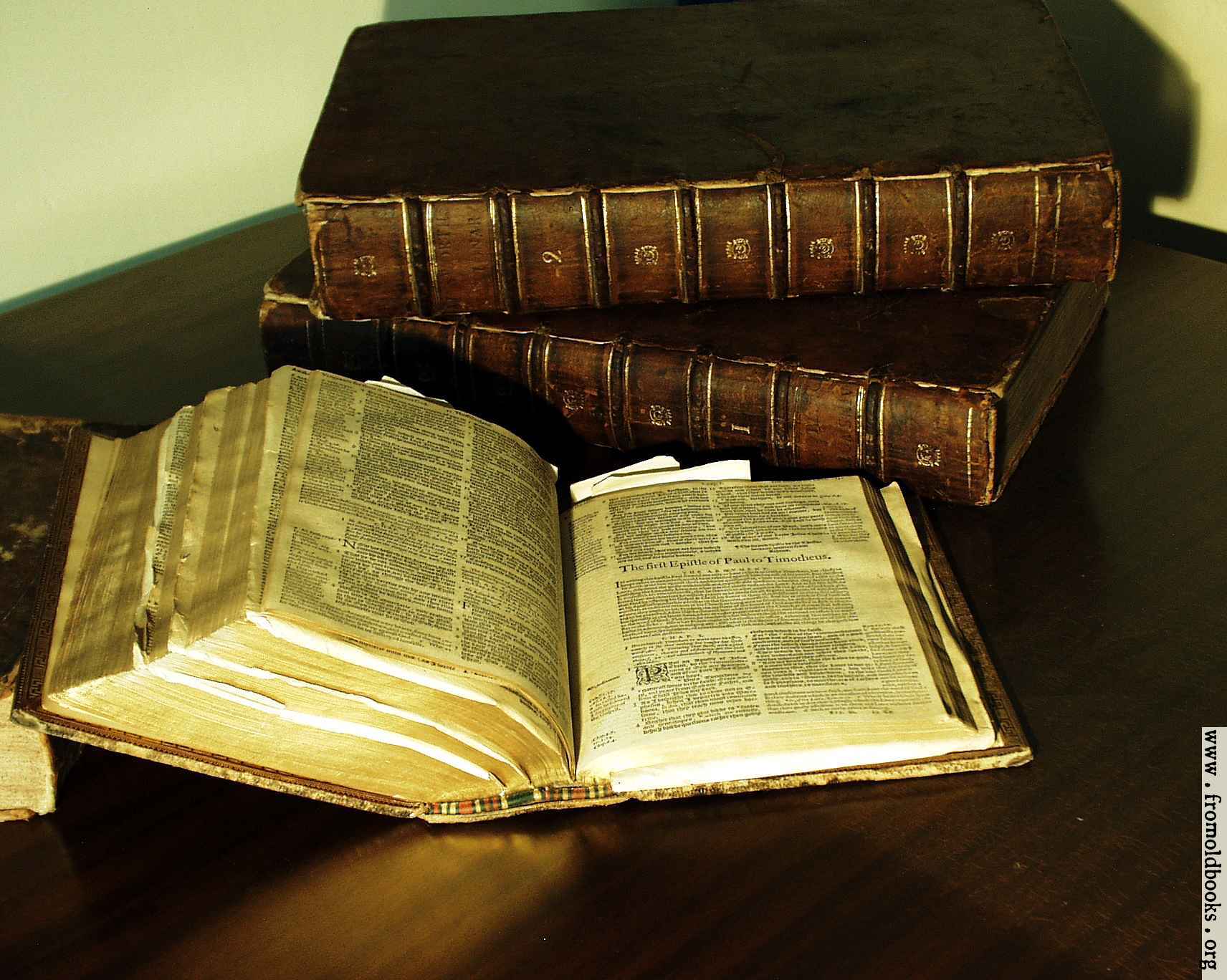
The written word still lives, and will outlive any electronic medium we now enjoy (including this one). It is where we began, it will prevail even over our apocalyptic end, and it is richly imbued with God's stamp of approval. I pray you find afresh and anew an insatiable desire to drink deeply of the Word. It will not return void, He assures you. Happy Reading!
Thursday, May 17, 2007
A Word from God
Quickly, I just want to let everyone know that the Wednesday night classes are going great. I pray that more people get excited about becoming more devoted followers of Christ at Emmanuel by joining with other believers in growing together.
I was reading through my copy of Grudem's Systematic Theology today and was challenged by the Personal Application questions at the end of the Word of God chapter. They went as follows:
Do you think you would pay more attention if God spoke to you from heaven or through the voice of a living prophet than if he spoke to you from the written words of Scripture? Would you believe or obey such words more readily than you do Scripture? Do you think your present level of response to the written words of Scripture is an appropriate one? What positive steps can you take to make your attitude toward Scripture more like the kind of attitude God wants you to have?
As the leader of the evangelism class, I immediately applied this to our obedience to sharing the gospel. If God came to me personally (like He did to Moses and Jeremiah and Paul), do I think I would be more obedient to His commands? My first instinct is to say yes; but this is an inappropriate response. The Bible is no less authoritative than an audible voice from heaven or a personal exhortation from Christ. How much respect do you have for God's written word? Should it be higher in your life? Think about it.
May the Lamb that was slain
receive the reward for His suffering,
Adam Pohlman
I was reading through my copy of Grudem's Systematic Theology today and was challenged by the Personal Application questions at the end of the Word of God chapter. They went as follows:
Do you think you would pay more attention if God spoke to you from heaven or through the voice of a living prophet than if he spoke to you from the written words of Scripture? Would you believe or obey such words more readily than you do Scripture? Do you think your present level of response to the written words of Scripture is an appropriate one? What positive steps can you take to make your attitude toward Scripture more like the kind of attitude God wants you to have?
As the leader of the evangelism class, I immediately applied this to our obedience to sharing the gospel. If God came to me personally (like He did to Moses and Jeremiah and Paul), do I think I would be more obedient to His commands? My first instinct is to say yes; but this is an inappropriate response. The Bible is no less authoritative than an audible voice from heaven or a personal exhortation from Christ. How much respect do you have for God's written word? Should it be higher in your life? Think about it.
May the Lamb that was slain
receive the reward for His suffering,
Adam Pohlman
Subscribe to:
Posts (Atom)


